
What Self-Learning Taught Me That Formal Education Didn’t

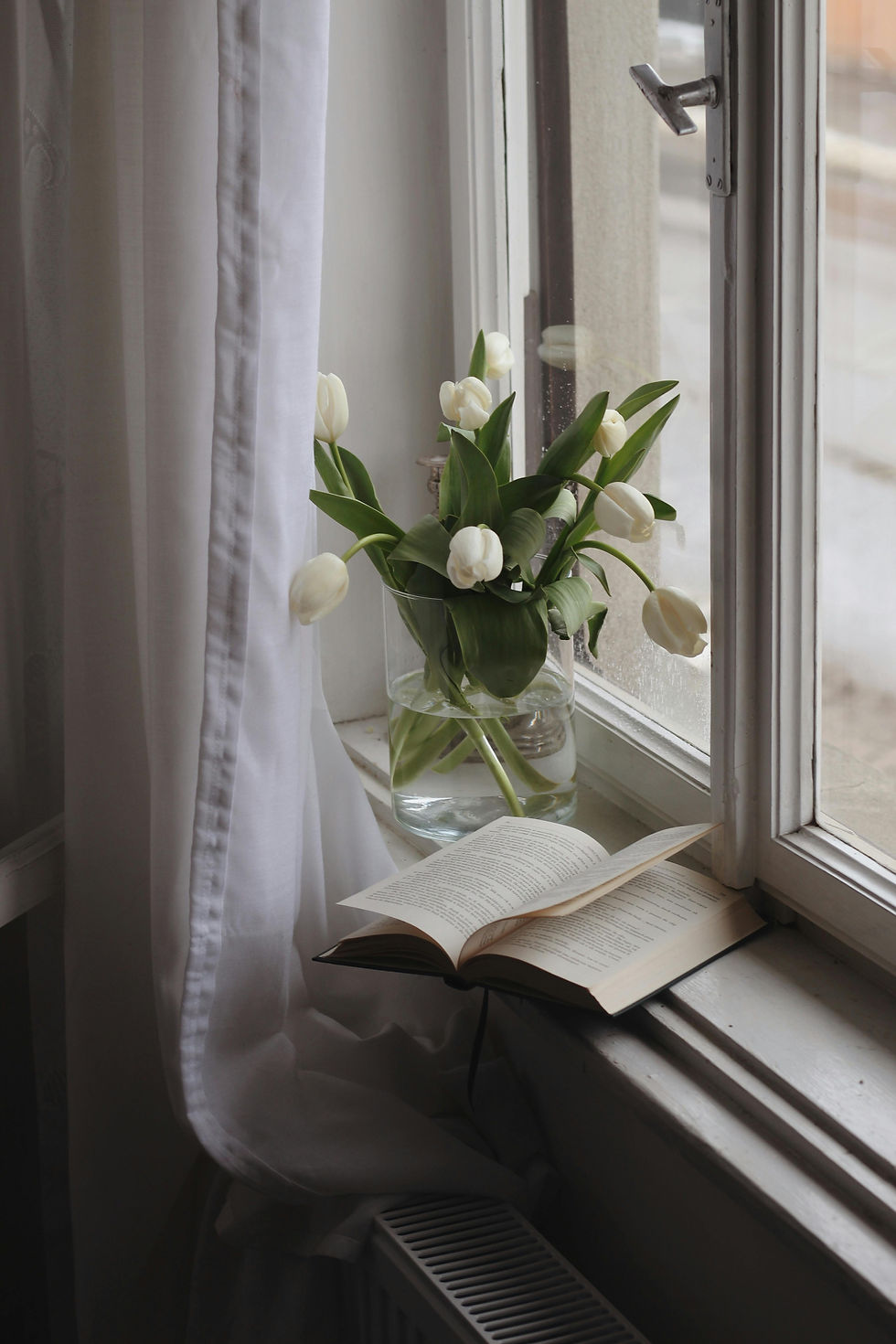
“Self-learning begins the day we stop learning to please others and start learning to understand ourselves.”
There was a time when I believed education arrived neatly packaged—classrooms, syllabi, examinations, and certificates forming its outer shell. Like most people of my generation, I grew up equating learning with attendance, obedience, discipline, and grades. My father’s career in the Air Force ensured that discipline wasn’t limited to school alone; it followed us home as well. You listened, you memorised, you reproduced—and then you moved on to the next class. That was education. Or so I believed.
It was only much later, when life gently nudged me away from blackboards and chalk dust, into long stretches of solitude, reflection, introspection, and uncertainty, that I encountered something far more demanding—and far more generous: self-learning. And what it taught me, formal education never quite did.
Learning Begins with Curiosity, Not a Programme of Study
Formal education told me what to learn and when to learn it. Self-learning asked a far more unsettling question: What are you curious about—really?
Curiosity does not wait for bells to ring. It arrives unannounced—sometimes at midnight, sometimes during a quiet walk, sometimes while playing, sometimes while reading something entirely unrelated. Self-learning taught me to respect these moments, rather than dismissing them as distractions.
In classrooms, particularly during school years, curiosity was often treated as a diversion. In self-learning, curiosity became the road itself.
Discipline Is Mightier When It Is Chosen
I was taught that discipline meant punctuality, meeting deadlines, maintaining orderliness and cleanliness, and fearing the consequences. Self-learning revealed a different kind of discipline—the discipline of commitment without supervision.
No teacher waits. No examination threatens. No grade rewards. And yet, you return to the book, the notes, the discussion forums—because you want to understand, not because you are required to comply.
This discipline is quiet but deep. It is sustained not by fear of failure, but by respect for one’s own growth.
Failure Is a Teacher, Not a Verdict
Formal education trained me to avoid mistakes. Wrong answers were marked in red, scores dropped, and confidence quietly eroded. Over time, this bred caution—and sometimes fear—especially as the final examinations loomed large.
Self-learning inverted that relationship. Mistakes were not exposed; they were explored. If I misunderstood something, there was no embarrassment—only another attempt. I could read again, watch again, think again. The cycle continued until I felt satisfied with the understanding.
Self-learning taught me that failure is information, not condemnation.
Understanding Matters More Than Performance
Examinations taught me how to perform understanding—how to frame answers, anticipate questions, and optimise marks. Rote learning, to some extent, served its purpose.
Self-learning removed the audience.
When no one is watching, you discover whether you truly understand something—or are merely fluent in its language. There is no hiding from confusion, no reward for pretending clarity. This honesty with oneself is among self-learning’s most demanding lessons.
Learning Is Deeply Personal
Formal education treats learners as a group. Self-learning recognises the individual.
I learned that my pace is my own. My time is my own. That my background colours my interpretations. And that my age does not disqualify me from beginning again.
Self-learning taught me that education is not age-bound—it is devotion-bound.
Silence Is a Classroom Too
No one, during my years of formal education, spoke to me about the value of silence.
Self-learning introduced me to long hours without instruction—only reading, thinking, writing, debating with like-minded friends, and sometimes simply sitting with a question. Initially, this silence felt uncomfortable, even unbearable. Over time, it became essential.
In silence, thoughts organise themselves. In silence, learning arises from within rather than being imposed.
Motivation Must Be Rebuilt Every Day
In schools and colleges, motivation is outsourced to parents, teachers, and institutions.
Self-learning returns that responsibility to you.
Some days, motivation arrives effortlessly. On others, it must be coaxed gently. Some days, the mind is clouded by many thoughts. Self-learning taught me patience with myself—not every day is equally productive, but every day can still be honest and true to one’s growing store of learning.
Consistency, I learned, is not about intensity. It is about returning.
Knowledge Is a Companion, Not a Trophy
Certificates decorate walls. Degrees announce achievement.
Self-learning offers no such visible symbols. What it provides instead is quieter and more enduring: companionship with ideas.
Books begin to feel like conversations. Concepts become familiar presences. Learning stops being something you complete and becomes something you live with—a daily companion.
Education Does Not End—It Evolves
Formal education has an endpoint. Self-learning does not.
At my present stage of life, when I look back at the years since I left school, perhaps the most liberating lesson of all is this: there is no finish line. One does not arrive at knowledge. One continues toward it.
And in that continuation lies humility—because the more you learn, the more you realise how much remains unknown.
My Closing Reflection
I remain deeply grateful for my formal education. It gave me structure, exposure, foundations, and essential knowledge. But self-learning gave me something deeper: ownership.
It taught me to learn not to prove worth, but to enrich life. Not to impress, but to understand. Not to compete, but to grow.
If formal education taught me how to stand in line, self-learning taught me how to walk alone—without fear, without hurry, and without apology.
I do not know how much of this wisdom I have fully lived by. But one thing I know for certain: learning never ends—and self-learning, above all, has no final chapter.
And perhaps that is its greatest gift.


Comments